Play Video

Gria Sykou (Old Woman Sykou)

Country:  Greece
City:  Messini
Frequency:  Once per year
Recorded:  

The ancient custom of the “Kremala” meets the legend of Gria Sykou on Clean Monday.

The special element of the Carnival of Messini is that it continues and ends after the last Sunday of the Carnival, on Clean Monday.

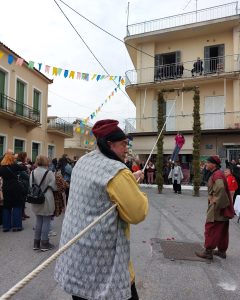
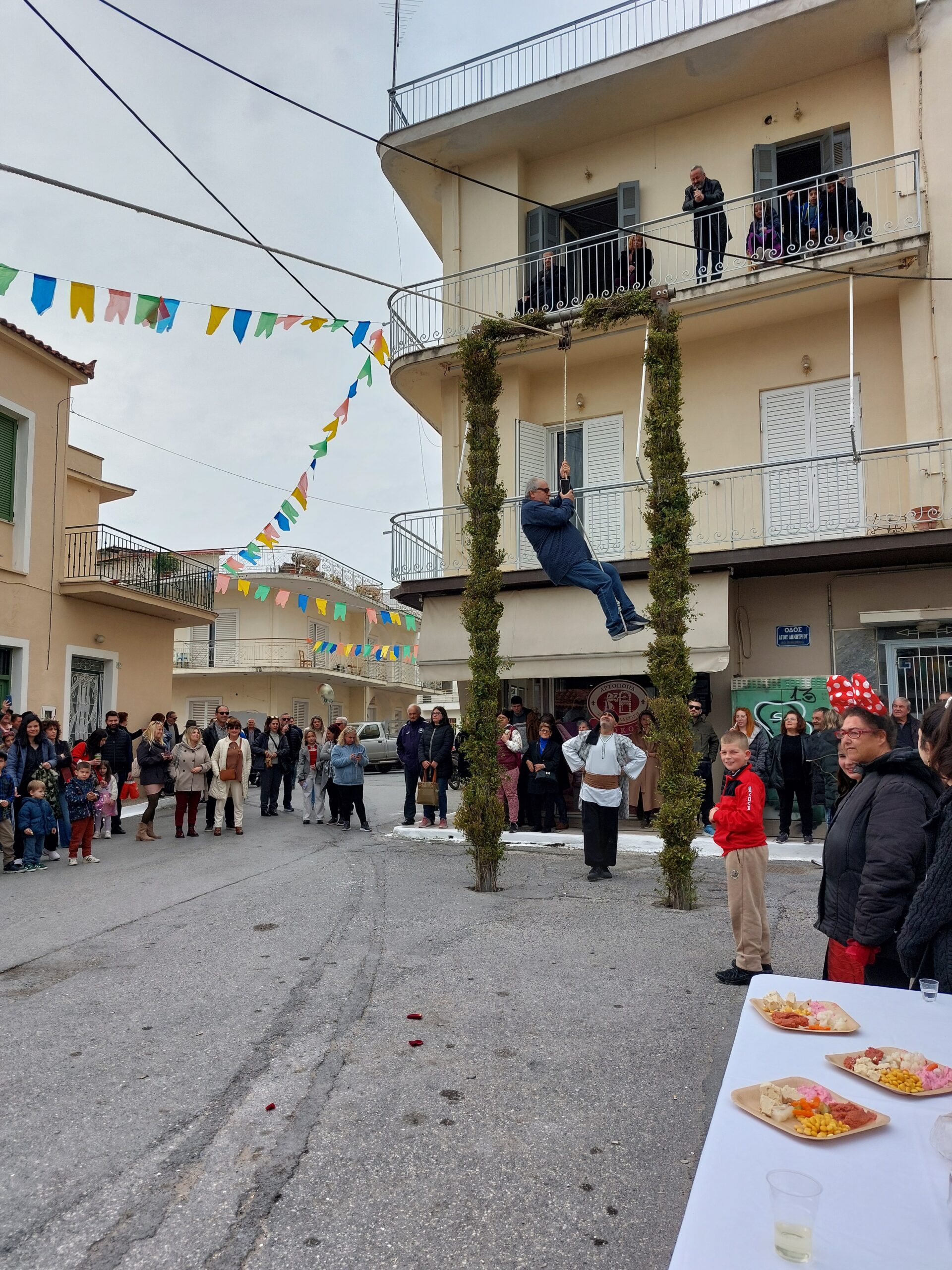
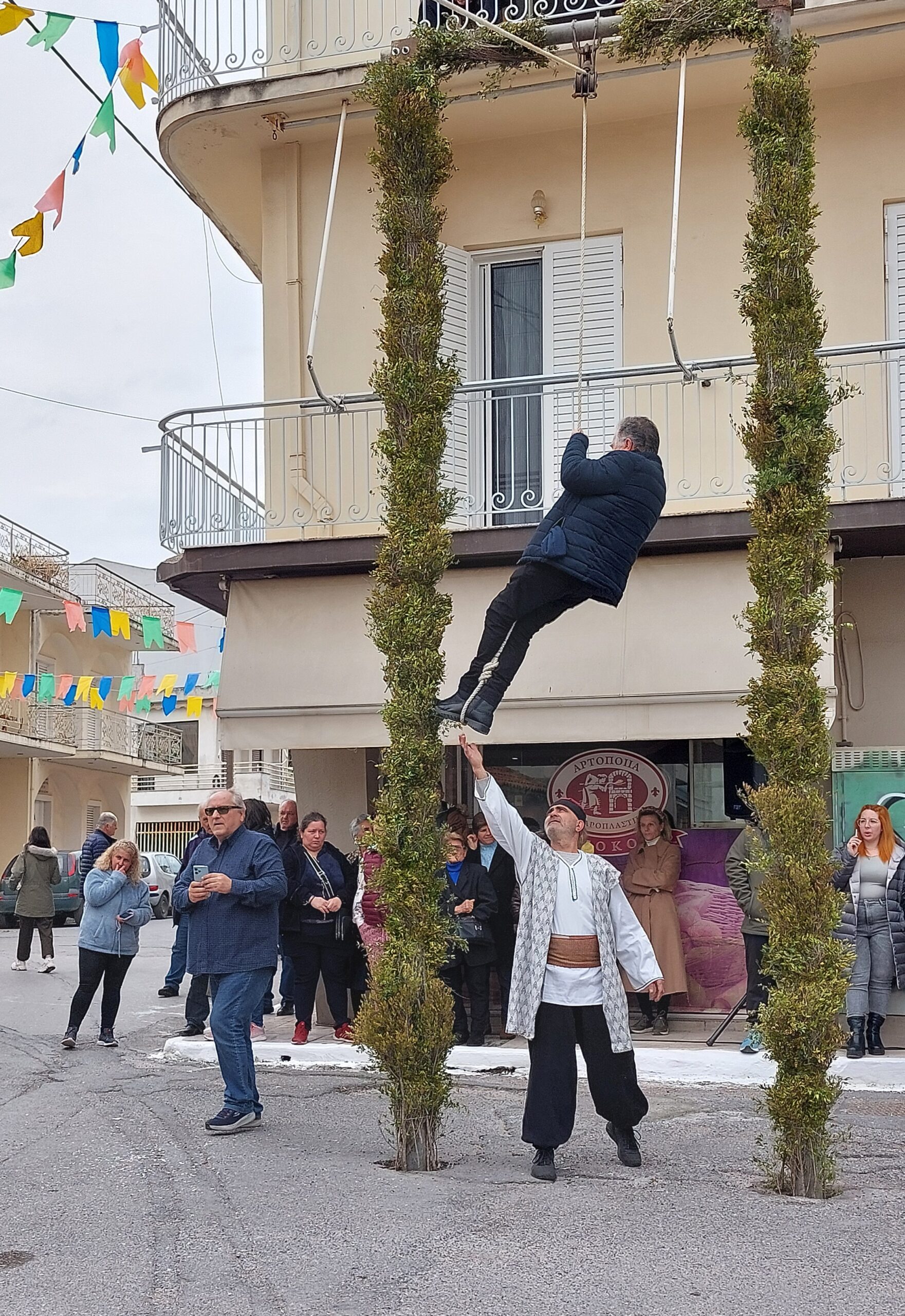
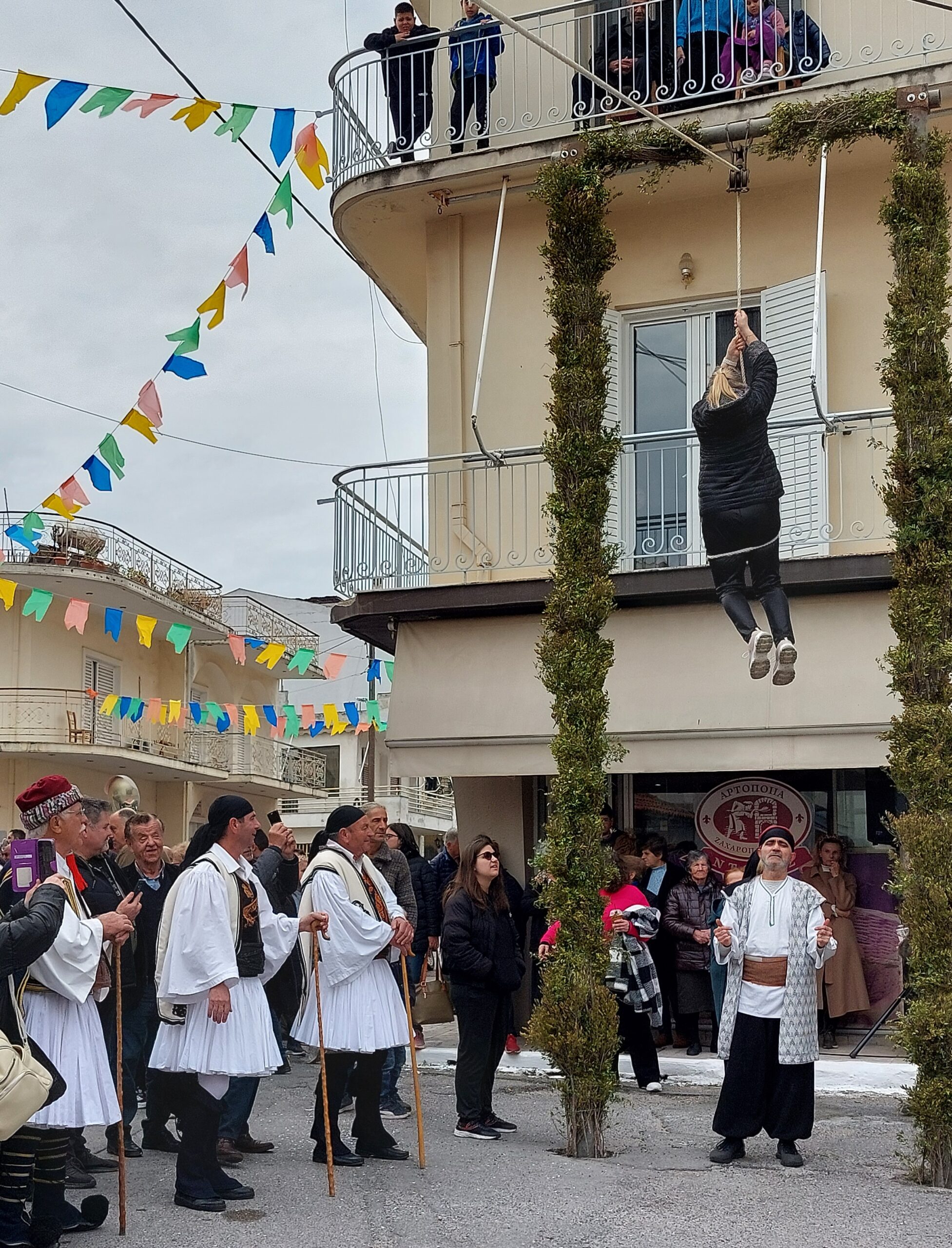
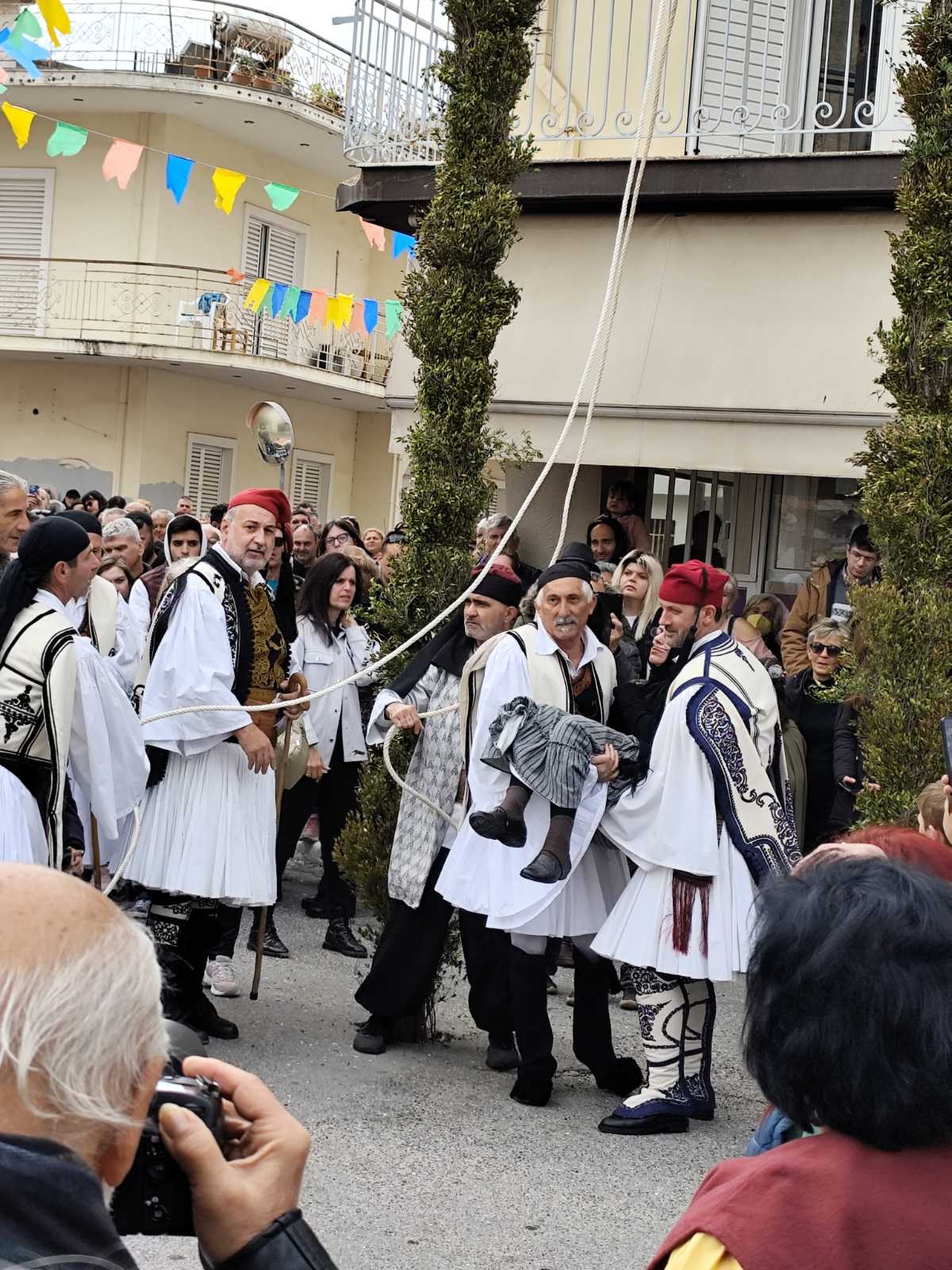
The most original custom of the day is the traditional hanging called “Kremala”. According to an ancient custom, a gallows was placed in a central point and anyone who passed by was hanged by the armpits amidst laughter and teasing. They only brought him down when he promised a treat that satisfied his "executioners".

In 1937, the dictator Metaxas gave the custom of hanging an ideological content, as it was attempted to connect it with the national tradition through the legend of Old Sykou. This identification was accepted by all the inhabitants, even the ideologically opposed ones, as this myth was engraved in the collective memory.

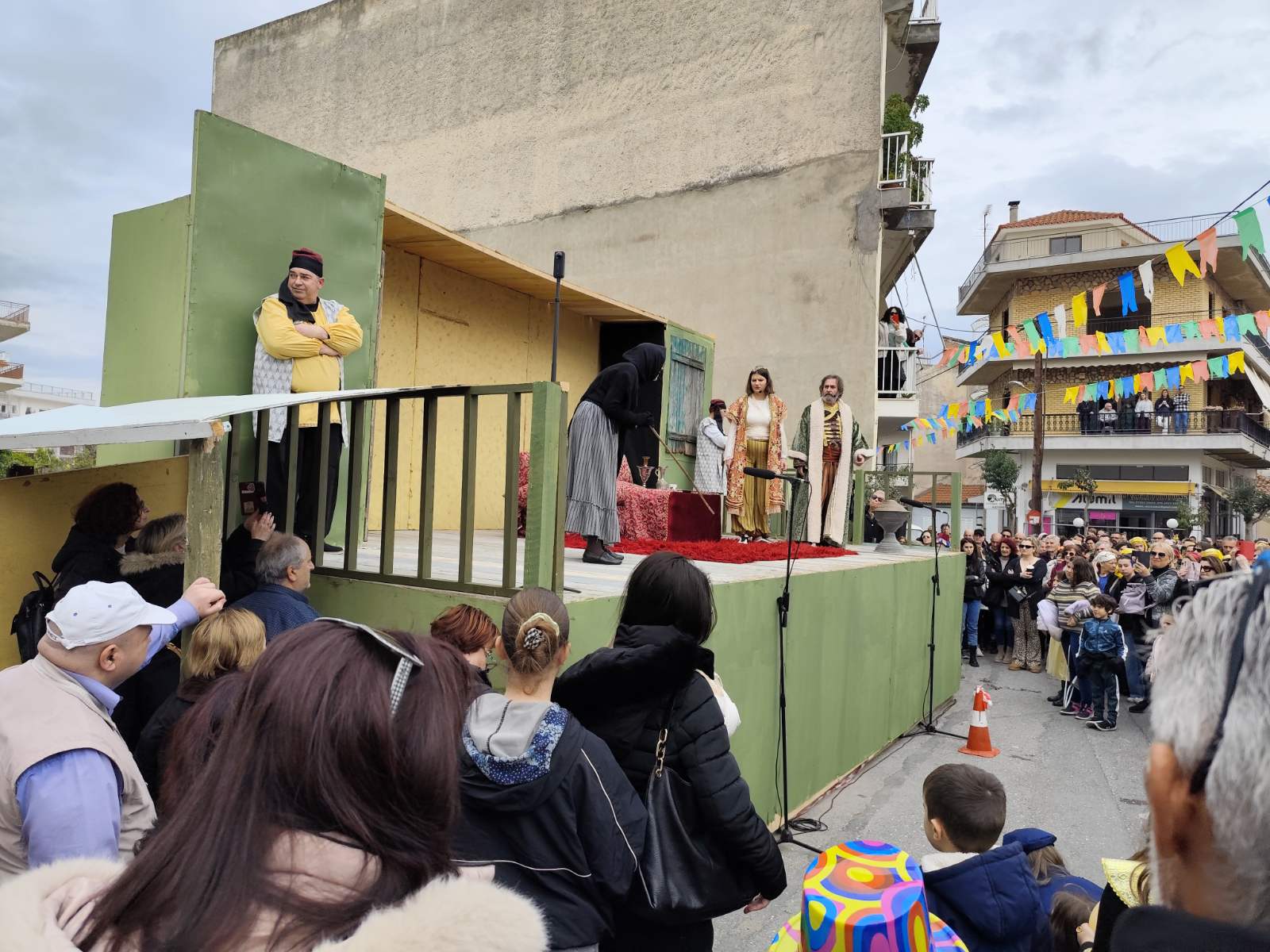
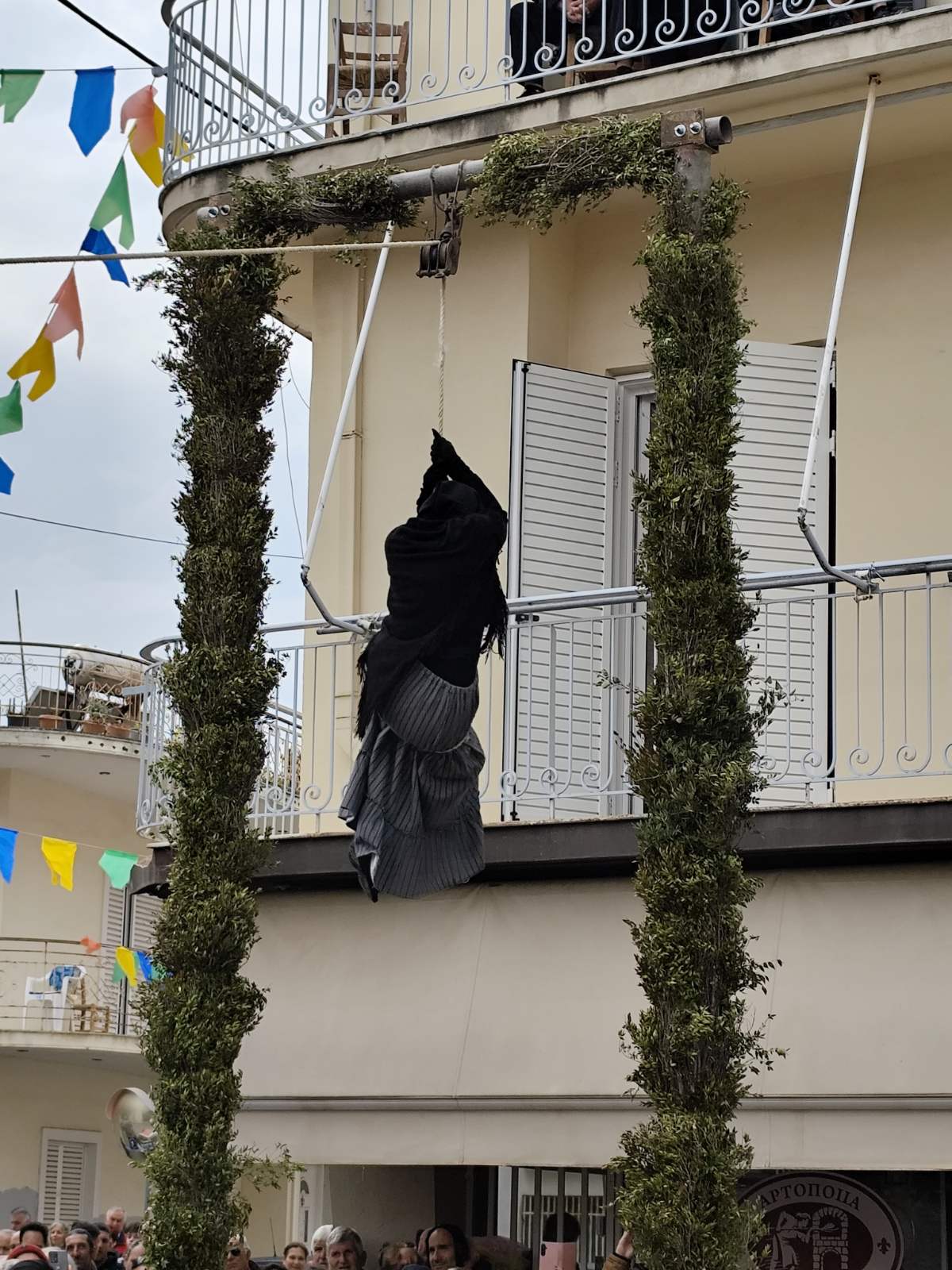
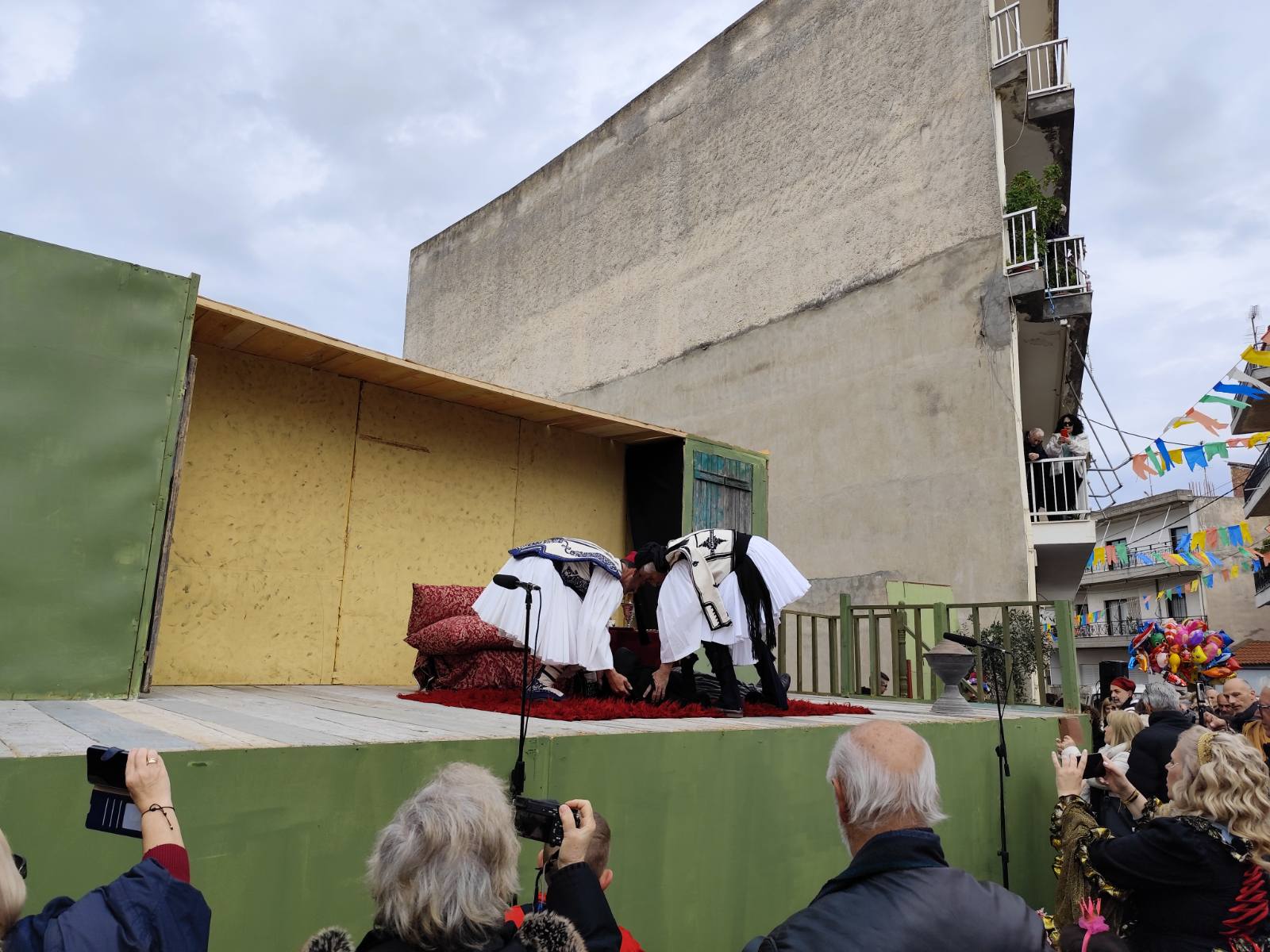
According to the legend, which has many variations, when Ibrahim was encamped in Messini he had a bad dream. Then they called Old Sykou to explain it to him, as everyone believed that she could interpret dreams. Old Sykou heard Ibrahim's dream and told him that his army and he would be crushed. Then he ordered the old woman Sykou to be hanged, enraged at what she so terribly prophesied to him. Ultimately, the Turkish-Egyptian fleet was defeated by the European fleet of France, England and Russia at the naval battle of Navarino in 1827 that also determined the Greek Struggle for Independence.

The legend of Old Sykou was definitely married to the custom of hanging in 1980.

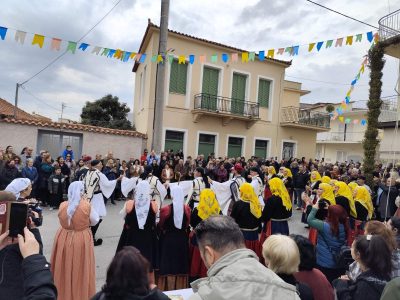
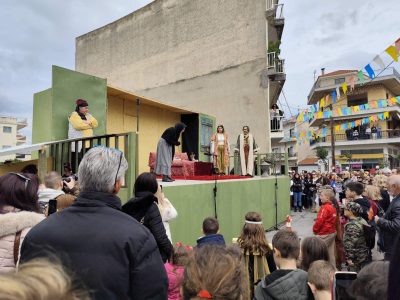
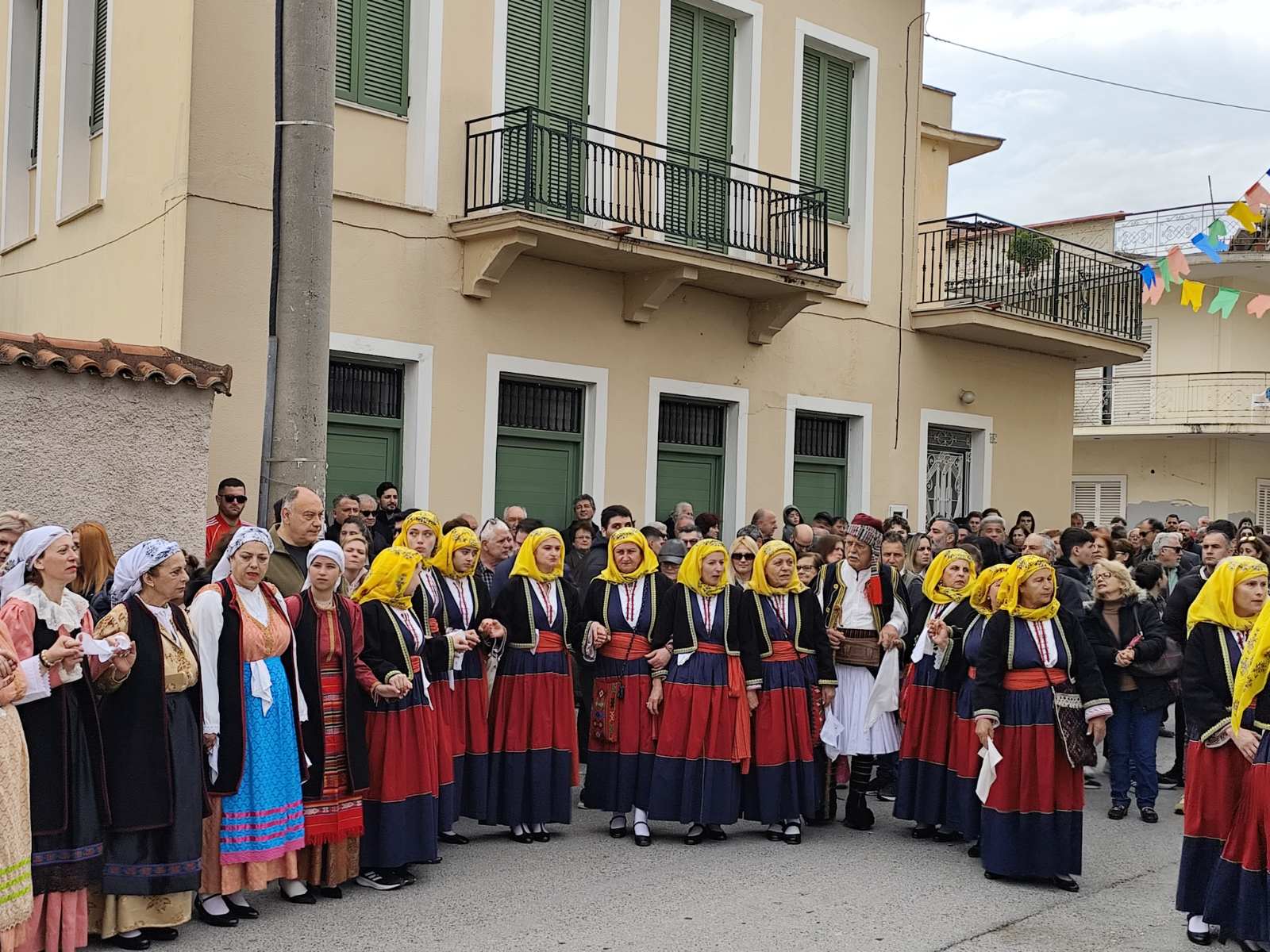
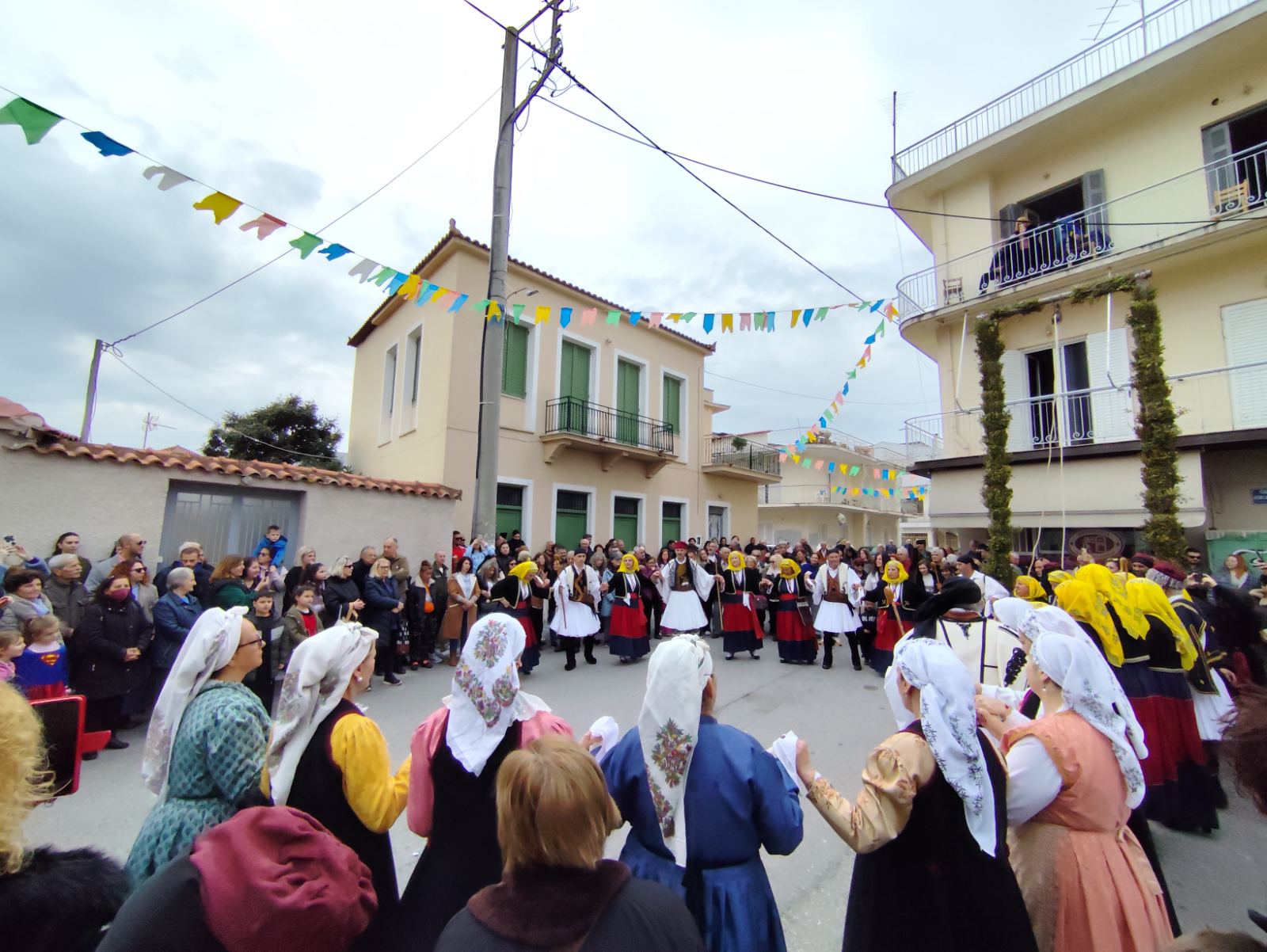
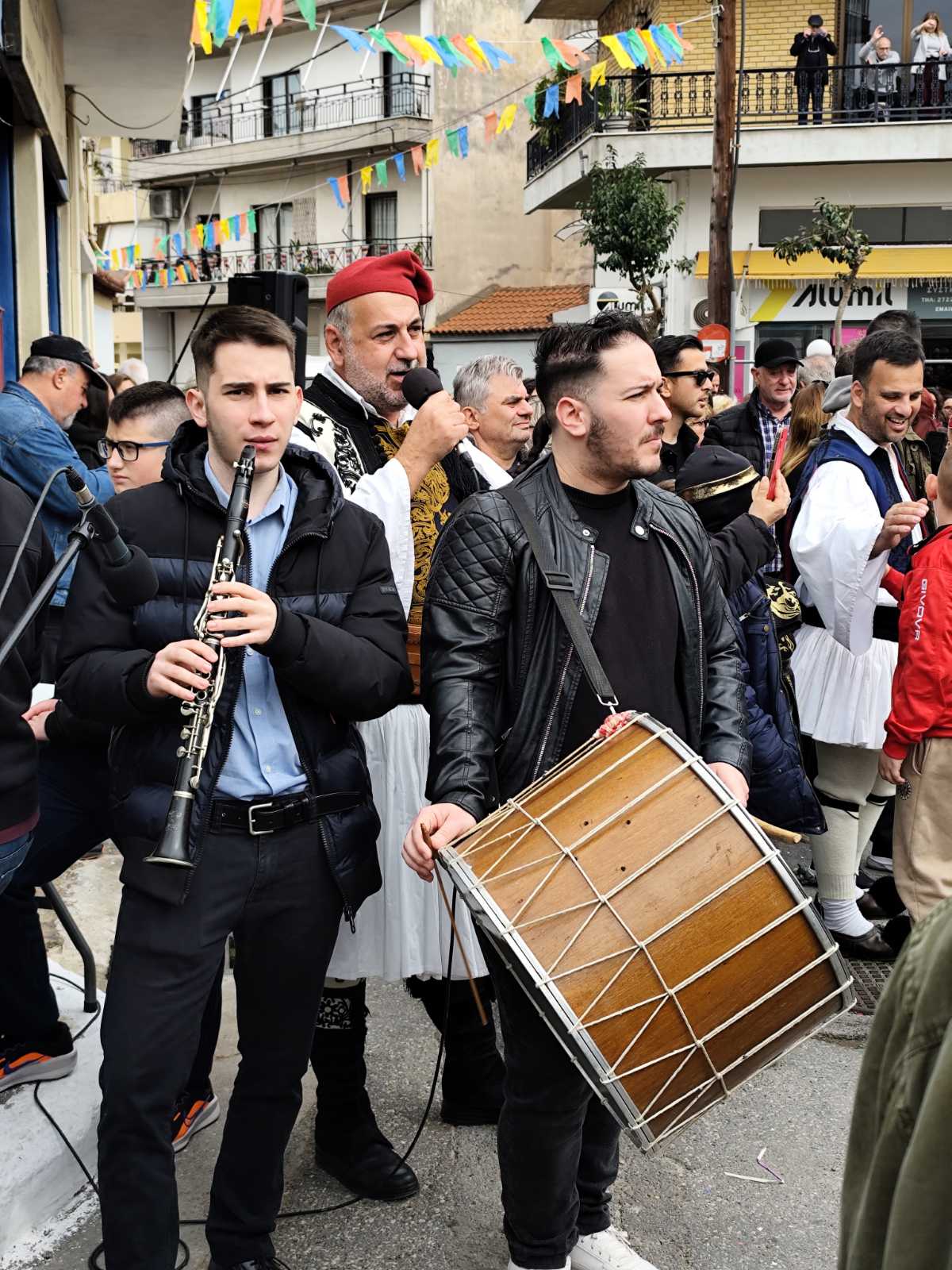
Since then, the trial of the old woman Sykou has been reenacted, followed by the hanging not only of her but also of those nearby, even the Municipal Authority representatives, until they promise a similar treat. After the reenactment of Sykou trial, traditional dances follow.

gs 6
sykou2
1

What the local experts say

Ilias Βitsanis
He studied chemistry at the University of Athens and worked as a journalist and editor-in-chief of the daily newspaper "Eleftheria" published in Kalamata. He also wrote many books about the local history and traditions of Kalamata and Messini.

Interview's main points

“The hanging “Cremala” is a remnant of a very old custom. Its first description is in 1893 in the newspaper "Messiniaki" of Kalamata. It is mentioned there that it is a strange custom. We could not find where it came from. Some people would go out, grab someone on the street, take them to the gallows, hang them with a ring, and ask them how much they would pay. This continued for many years. The custom is probably related to a custom found in the Balkan region that has to do with a trial. They would lead the offender to trial, then to the gallows, and he would have to pay the court to be acquitted, etc. Gallows have existed since antiquity. We also see the hanging “Cremala” in Cappadocia among the Greek-speaking populations, which shows that it has roots in antiquity. These things vary from region to region, with the passage of time and the interaction of neighboring populations. At the same time, there is also the myth of the old Sycou woman. (The myth is mentioned with its variations.) This myth was written down in 1908 by Theodoros Gounas, who was a law student at the time, later a lawyer in Messini, and the organizer of the first urban carnival with a float in 1910, and the first to write a speech for the carnival. He did not connect the myth of Sycou with the carnival. Also, there was no reenactment. In 1937, it was announced that there would be a reenactment of the hanging of the old Sycou. It happened for a couple of years. Then the war happened. It was revived after the war until 1980, when the cultural association created by a group of students wrote a dialogue, and the trial of the old Sycou was reenacted on a stage. Since then, the legend has been intertwined with the ancient custom of hanging "Cremala," and it has since become a tradition." 

Photo Gallery